

Blockages in an electric balloon pump can be a frustrating issue, not only disrupting your balloon - inflating tasks but also potentially causing damage to the pump. As a trusted supplier of electric balloon pumps, including the dual nozzle balloon air machine, Single Nozzle Electric Balloon Pump, and Eletric Balloon Pump Machine, I understand the importance of keeping your pump in optimal working condition. In this blog, I'll share some effective strategies to prevent blockages in your electric balloon pump.
Understanding the Causes of Blockages
Before we dive into prevention methods, it's essential to understand what causes blockages in an electric balloon pump. The most common culprits include debris, such as dust, lint, and small particles from the balloons themselves. Over time, these particles can accumulate in the pump's intake or nozzle, restricting the airflow and causing the pump to work harder.
Another cause of blockages can be improper balloon attachment. If a balloon is not securely attached to the nozzle, small pieces of the balloon material can be sucked into the pump. This is especially true for balloons with thin or weak materials that may tear easily during inflation.
Regular Cleaning and Maintenance
One of the most effective ways to prevent blockages in an electric balloon pump is through regular cleaning and maintenance. Here are some steps you can take:
-
Clean the Intake Vent: The intake vent is where the air enters the pump. Over time, it can collect dust and debris. Use a soft brush, such as a paintbrush or a toothbrush, to gently remove any visible particles from the vent. You can also use compressed air to blow out any stubborn debris. Make sure to unplug the pump before cleaning the intake vent to avoid any electrical hazards.
-
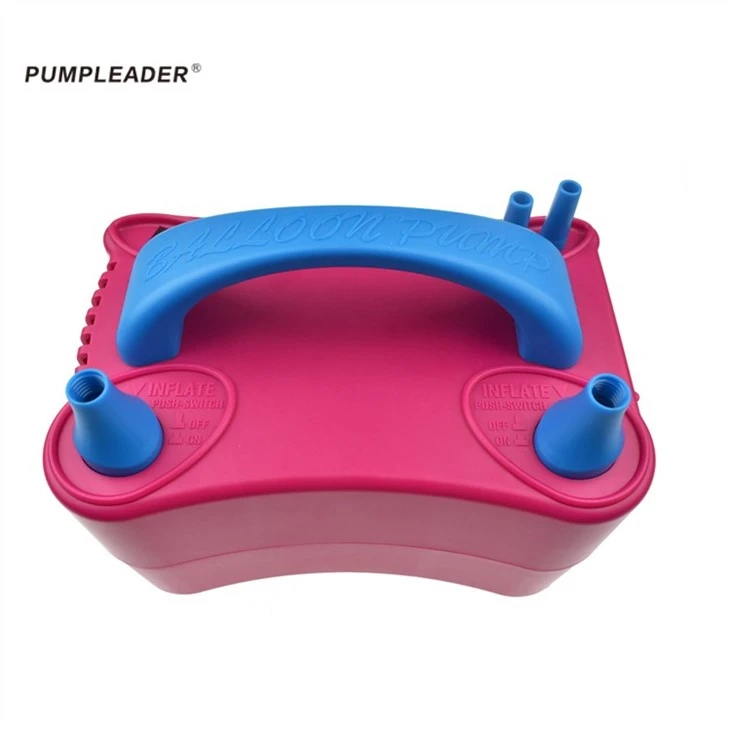
Inspect the Nozzle: The nozzle is the part of the pump that connects to the balloon. Check the nozzle regularly for any signs of blockage. If you notice any debris or balloon fragments in the nozzle, use a small, pointed object, like a toothpick or a needle, to carefully remove them. Be gentle to avoid damaging the nozzle.
-
Clean the Interior: Depending on the design of your electric balloon pump, you may be able to access the interior for cleaning. Refer to the manufacturer's instructions for guidance on how to disassemble the pump safely. Once you have access to the interior, use a vacuum cleaner with a soft brush attachment to remove any dust or debris. Make sure to reassemble the pump correctly after cleaning.
Proper Balloon Selection and Attachment
Choosing the right balloons and attaching them correctly can also help prevent blockages in your electric balloon pump.
-
Select High - Quality Balloons: Opt for balloons made from thick, durable materials. These balloons are less likely to tear or release small particles during inflation. Avoid using balloons with a lot of glitter or other decorations, as these can also contribute to blockages.
-
Attach Balloons Securely: When attaching a balloon to the nozzle, make sure it is stretched evenly over the nozzle and fits snugly. If the balloon is too loose, it may come off during inflation and cause a blockage. If the balloon is too tight, it may tear, and the pieces can be sucked into the pump.
Use a Pre - Filter
A pre - filter can be a valuable addition to your electric balloon pump. A pre - filter is a device that is placed in front of the intake vent to catch dust and debris before they enter the pump. This can significantly reduce the amount of particles that accumulate in the pump, preventing blockages and extending the pump's lifespan.
There are several types of pre - filters available on the market. Some are made of mesh or foam, while others are electrostatic filters that can attract and hold particles more effectively. Choose a pre - filter that is compatible with your electric balloon pump and follow the manufacturer's instructions for installation and replacement.
Store the Pump Properly
Proper storage of your electric balloon pump can also help prevent blockages. When not in use, store the pump in a clean, dry place. Avoid storing it in areas where it can be exposed to dust, dirt, or moisture. You can also use a protective cover to keep the pump clean and prevent debris from entering the intake vent or nozzle.
Monitor the Pump's Performance
Regularly monitoring the performance of your electric balloon pump can help you detect any potential blockages early. Pay attention to the following signs:
- Reduced Airflow: If you notice that the pump is taking longer to inflate balloons or that the airflow seems weaker than usual, it may be a sign of a blockage.
- Unusual Noises: A blocked pump may make unusual noises, such as rattling or humming. These noises can indicate that the pump is working harder than normal due to restricted airflow.
If you notice any of these signs, stop using the pump immediately and inspect it for blockages. Addressing the issue early can prevent further damage to the pump.

Train Your Staff (if applicable)
If you are using an electric balloon pump in a commercial setting, such as a party rental business or an event planning company, it's important to train your staff on proper pump use and maintenance. Make sure they understand the importance of regular cleaning, proper balloon selection and attachment, and how to recognize the signs of a blockage.
Conclusion
Preventing blockages in an electric balloon pump requires a combination of regular cleaning, proper balloon selection and attachment, and careful monitoring of the pump's performance. By following the tips outlined in this blog, you can keep your electric balloon pump running smoothly and efficiently, ensuring that you can inflate balloons quickly and easily for all your events.
As a supplier of high - quality electric balloon pumps, we are committed to providing you with the best products and support. If you have any questions about preventing blockages in your electric balloon pump or if you are interested in purchasing a new pump, please feel free to contact us for more information. We look forward to discussing your balloon - inflating needs and helping you find the perfect solution.
References
- Manufacturer's instructions for electric balloon pumps
- Industry best practices for balloon pump maintenance