

Hey there! If you're in the business of party planning, event organizing, or just someone who loves a good balloon - filled celebration, you know how crucial a hand balloon pump is. As a hand balloon pump supplier, I've seen firsthand how these little gadgets can make or break an event. But here's the thing: to keep your pump working at its best, regular maintenance is a must. So, let's dive into how you can maintain a hand balloon pump.
Why Maintenance Matters
First off, why should you even bother with maintaining your hand balloon pump? Well, for starters, a well - maintained pump will last longer. These pumps aren't exactly free, and nobody wants to keep shelling out money for a new one every few months. A maintained pump also works more efficiently. You'll be able to inflate balloons faster, which is super important when you've got a whole bunch of balloons to blow up for a big event. And let's not forget about safety. A faulty pump could potentially cause injuries, like a sudden burst of the balloon or the pump itself malfunctioning.
Regular Cleaning
One of the simplest yet most effective ways to maintain your hand balloon pump is through regular cleaning. Over time, dust, dirt, and even small particles from the balloons can get inside the pump. This can clog up the airways and make the pump less efficient.
To clean the exterior, all you need is a damp cloth. Just wipe down the pump after each use. This will remove any surface dirt or grime. For the interior, it gets a bit more involved. If your pump has a detachable nozzle, remove it and rinse it under warm water. Make sure to dry it thoroughly before putting it back on.
Now, if the pump has an air intake valve, you can use a small brush, like an old toothbrush, to gently clean it. Be careful not to damage the valve. Cleaning the interior every few weeks is a good rule of thumb, depending on how often you use the pump.
Inspection of Parts
Another key aspect of maintenance is inspecting the parts of the pump. Start by looking at the handle. Check for any signs of wear and tear, like cracks or loose parts. If the handle is loose, it might not be able to generate enough pressure to inflate the balloons properly. You can usually tighten the screws on the handle with a screwdriver.
Next, examine the piston. The piston is what moves up and down to create the pumping action. Make sure it moves smoothly and isn't sticking. If it's sticky, you can apply a small amount of silicone lubricant. Just a tiny bit will do the trick. Too much lubricant can attract more dirt.
Also, take a look at the air hoses. Check for any holes or leaks. You can do this by listening for a hissing sound while the pump is in use or by feeling around the hoses for any air escaping. If you find a hole, you might be able to patch it up with some strong tape. But if the damage is too severe, you might need to replace the hose.
Storage
Proper storage of your hand balloon pump is also important for its maintenance. When you're not using the pump, keep it in a dry place. Moisture can cause rust and corrosion, especially if the pump has metal parts.
Avoid storing the pump in direct sunlight or extreme temperatures. High temperatures can warp the plastic parts, and low temperatures can make the rubber parts brittle. A cool, dry closet is a great place to store your pump.
Also, if possible, store the pump in its original box or a protective case. This will protect it from dust and any potential bumps or scratches.
Different Types of Hand Balloon Pumps and Their Maintenance
There are several types of hand balloon pumps available, and their maintenance might vary slightly. For example, the Plastic Manual Balloon Pump is lightweight and easy to use. Since it's made of plastic, you need to be careful not to drop it, as it can crack. When cleaning it, avoid using harsh chemicals that could damage the plastic.
The Portable Hand Balloon Air Inflator is designed to be taken on the go. It's usually more compact, which means it might have smaller parts that need more careful inspection. Make sure to keep the small components, like the nozzle and the valve, in a safe place to prevent loss.
The Double Action Balloon Pump is a bit more advanced. It can inflate balloons faster because it pumps air on both the up and down strokes. Maintenance for this type of pump might require more attention to the piston and the air - flow system. Check the seals regularly to ensure there are no air leaks.
Troubleshooting Common Problems
Even with regular maintenance, you might encounter some problems with your hand balloon pump. If the pump isn't inflating the balloons properly, check the air intake. Make sure it's not blocked by anything. If the balloon keeps slipping off the nozzle, try using a different type of balloon or check if the nozzle is the right size.
If you hear strange noises coming from the pump, it could be a sign of a loose part or a problem with the piston. Stop using the pump immediately and check the parts for any damage.
Conclusion
Maintaining a hand balloon pump isn't rocket science. With a little bit of regular cleaning, inspection, and proper storage, your pump can last for a long time and keep working efficiently. And as a hand balloon pump supplier, I want to make sure you get the most out of your purchase.

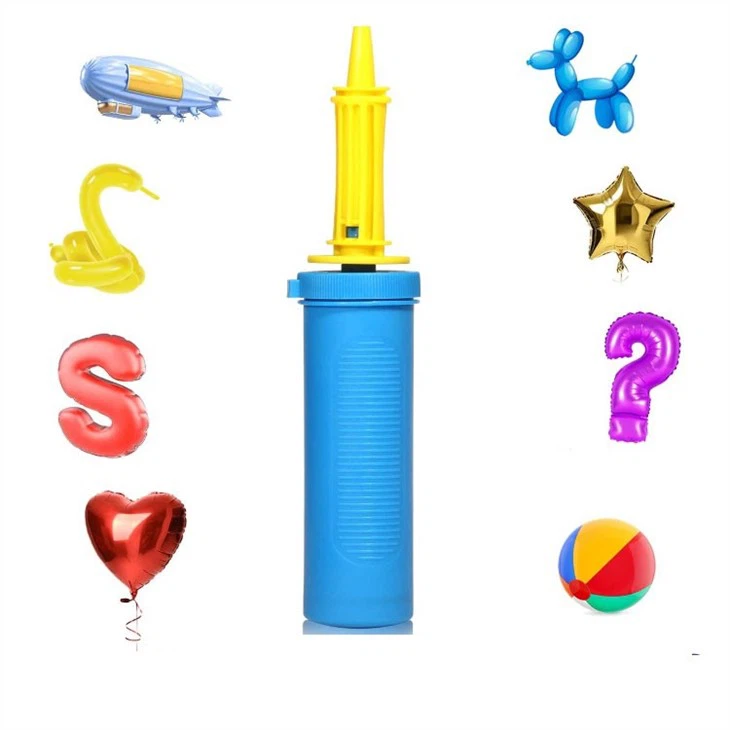
If you're in the market for a new hand balloon pump or are interested in bulk purchasing for your business, don't hesitate to reach out. We've got a wide range of high - quality pumps that are built to last. Contact us now to start the procurement discussion and find the perfect pump for your needs.
References
General knowledge from years of experience as a hand balloon pump supplier.
Personal experiences with maintaining and troubleshooting hand balloon pumps.