

Hey there! As a supplier of automatic balloon pumps, I often get asked the question: "How long does an automatic balloon pump last?" Well, let's dive right into it and break down the factors that can affect the lifespan of these nifty devices.
Quality of Components
First off, the quality of the components used in the automatic balloon pump plays a huge role. High - end pumps are built with top - notch motors, durable hoses, and reliable nozzles. For example, our Portable Electric Balloon Pump is crafted with high - grade materials. The motor is designed to handle continuous use without overheating easily. These pumps are made to last, and if you take good care of them, they can serve you for years.
On the other hand, cheaper pumps might cut corners on the components. The motor might be of lower quality, which means it could burn out faster. The hoses could be thinner and more prone to cracking. So, if you're looking for a long - lasting pump, it's usually worth investing a bit more in a quality product.
Frequency of Use
How often you use the automatic balloon pump is another major factor. If you're a party planner and you're using the pump several times a week to inflate balloons for different events, it's going to have more wear and tear compared to someone who only uses it once or twice a year for a small family gathering.
Let's say you have a dual nozzle balloon air machine. If you're using it non - stop for hours at a large event, the motor will be under more stress. But if you use it in short bursts, say for 15 - 20 minutes at a time, it can last much longer. A pump that's used moderately, around once a month for an hour or so, can easily last 5 - 10 years. However, heavy - duty use could reduce its lifespan to 2 - 5 years.
Maintenance
Proper maintenance is key to extending the life of your automatic balloon pump. After each use, it's important to clean the nozzles. Balloons can leave behind small pieces of latex or other debris, which can clog the nozzles over time. If the nozzles are clogged, the pump has to work harder, which can put extra strain on the motor.
You should also check the hoses regularly for any signs of damage. If you notice a small crack, it's best to replace the hose right away. This will prevent air leaks, which can make the pump less efficient and increase the workload on the motor.
Another aspect of maintenance is storing the pump properly. Keep it in a dry place, away from direct sunlight and extreme temperatures. Heat can damage the plastic parts and the motor, while moisture can cause rust and corrosion.
Type of Balloons
The type of balloons you're inflating can also affect the pump's lifespan. Helium - filled balloons are different from air - filled balloons. If you're using a pump to inflate helium - quality balloons, which are usually thicker and more durable, the pump has to work harder to force the air into them. This can put more stress on the motor and other components.
On the contrary, regular latex balloons are easier to inflate. Our Single Nozzle Electric Balloon Pump can handle regular balloons with ease. But if you're constantly using it for heavy - duty balloons, you might notice a shorter lifespan.
Environmental Conditions
The environment in which you use the pump matters too. If you're using it in a dusty or dirty area, dust can get into the motor and other parts of the pump. This can cause the motor to overheat and can also lead to premature wear of the moving parts.
Humid environments can also be a problem. Moisture can cause rust on the metal parts, which can affect the performance of the pump. So, try to use the pump in a clean, dry environment as much as possible.
Signs of Wear and Tear
It's important to keep an eye out for signs that your automatic balloon pump might be reaching the end of its lifespan. If you notice that the pump is making strange noises, like a grinding or screeching sound, it could be a sign that the motor is having problems. A decrease in inflation speed is another red flag. If it used to inflate balloons quickly but now it's taking much longer, there could be an issue with the motor or the nozzles.
If you see any visible damage, such as cracks in the housing or frayed wires, it's best to stop using the pump immediately. Continuing to use a damaged pump can be dangerous and can also cause further damage.
How to Extend the Lifespan
Here are some tips to make your automatic balloon pump last as long as possible:
- Use it in short intervals. Don't run it continuously for hours on end. Give it a break every 30 minutes or so, especially if you're doing a large inflating job.
- Keep it clean. As mentioned earlier, clean the nozzles and check the hoses regularly.
- Invest in a good quality pump from the start. It might cost a bit more upfront, but it will save you money in the long run.
- Follow the manufacturer's instructions for use and maintenance. They know the product best and can give you the most accurate advice.
Conclusion
So, how long does an automatic balloon pump last? It really depends on a variety of factors, including the quality of the components, frequency of use, maintenance, type of balloons, and environmental conditions. With proper care and use, a good quality automatic balloon pump can last anywhere from 5 to 10 years or even longer.

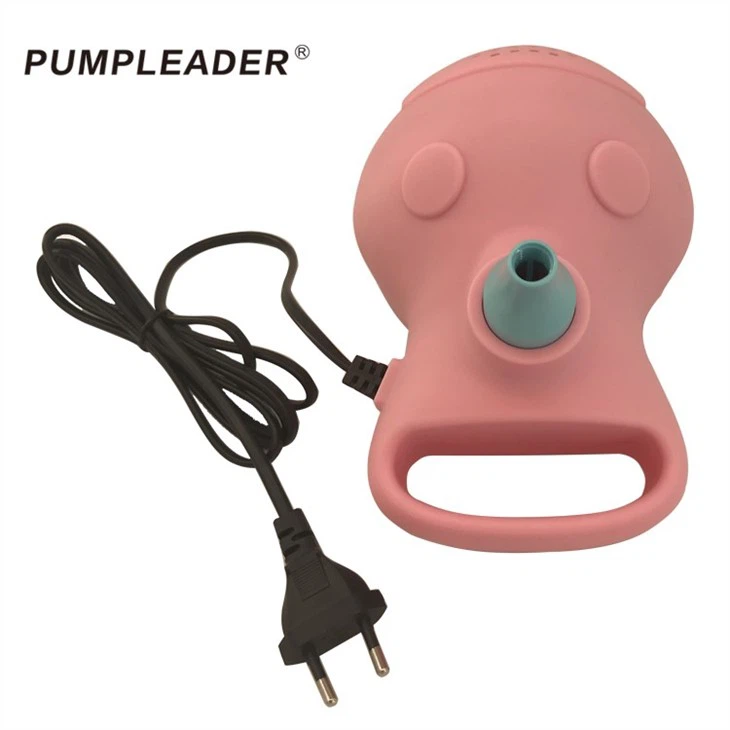
If you're in the market for a new automatic balloon pump or want to learn more about our products, we'd love to have a chat with you. Whether you're a party planner, an event organizer, or just someone who loves throwing great parties, we have the right pump for you. Reach out to us to start a conversation about your balloon - inflating needs and let's find the perfect solution together.
References
- General knowledge in the balloon pump industry
- Experience from being an automatic balloon pump supplier