

Installing a balloon pump might seem like a daunting task, especially if you're new to using such equipment. As a seasoned balloon pump supplier, I've encountered numerous customers who have faced challenges during the installation process. In this blog post, I'll guide you through the step-by-step process of installing different types of balloon pumps, ensuring that you can set up your pump with ease and start inflating balloons in no time.
Types of Balloon Pumps
Before we dive into the installation process, let's briefly discuss the different types of balloon pumps available in the market. At our store, we offer a variety of balloon pumps to cater to different needs and preferences. Here are some of the popular types:
- Air Pump: This is the most basic type of balloon pump, powered by electricity or batteries. It's suitable for inflating balloons of various sizes and is commonly used for parties, events, and decorations. Air Pump
- Rechargeable Mini Air Pump: As the name suggests, this pump is compact and portable, making it ideal for on-the-go use. It can be recharged using a USB cable and is perfect for inflating small to medium-sized balloons. Rechargeable Mini Air Pump
- Multifunctional Balloon Pump: This pump offers multiple functions, such as inflating and deflating balloons, as well as adjusting the airflow speed. It's a versatile option that can handle different types of balloons and is suitable for both personal and professional use. Multifunctional Balloon Pump
Installation Process
Step 1: Gather the Necessary Tools
Before you start installing the balloon pump, make sure you have all the necessary tools and materials. This may include a screwdriver, batteries (if required), a power cord, and any other accessories that come with the pump. Refer to the user manual for a complete list of tools and materials.
Step 2: Choose a Suitable Location
Select a stable and flat surface to place the balloon pump. Make sure the area is well-ventilated and away from any flammable materials. Avoid placing the pump near water or in a humid environment, as this can damage the electrical components.
Step 3: Unpack the Pump
Carefully unpack the balloon pump and remove all the packaging materials. Check the pump for any damage or defects. If you notice any issues, contact our customer support team immediately for assistance.
Step 4: Install the Batteries (if required)
If your balloon pump is battery-powered, open the battery compartment and insert the batteries according to the polarity markings. Make sure the batteries are properly installed and secure the battery compartment cover.
Step 5: Connect the Power Cord
If your balloon pump is powered by electricity, connect the power cord to the pump and plug it into a grounded electrical outlet. Make sure the power switch is in the "Off" position before plugging in the cord.
Step 6: Attach the Nozzles
Most balloon pumps come with different types of nozzles to accommodate various balloon sizes. Select the appropriate nozzle for the balloons you want to inflate and attach it to the pump. Make sure the nozzle is securely attached and there are no gaps or leaks.

Step 7: Test the Pump
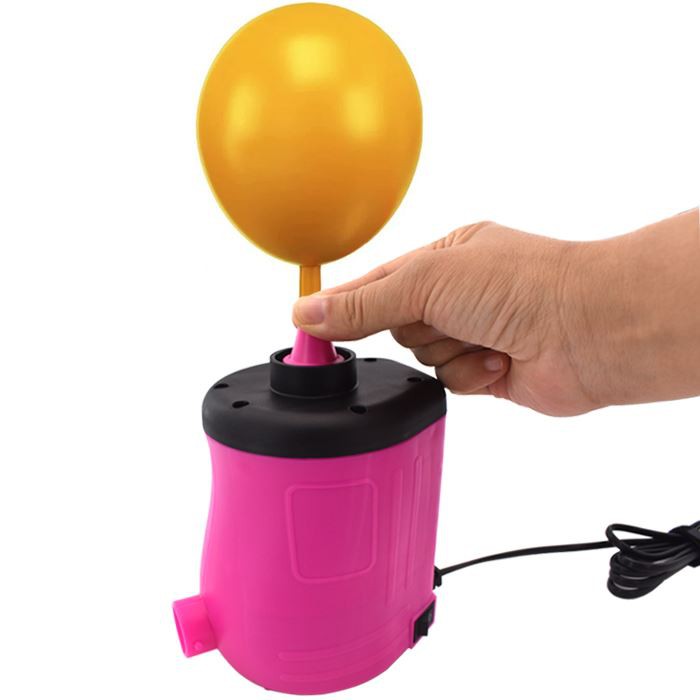
Once you've completed the installation process, turn on the power switch and test the pump. Place a balloon over the nozzle and hold it firmly. Press the inflation button or switch to start the pump. If the balloon starts to inflate, the pump is working properly. If not, check the connections and make sure the pump is receiving power.
Step 8: Adjust the Settings (if applicable)
Some balloon pumps, such as the multifunctional balloon pump, allow you to adjust the airflow speed and other settings. Refer to the user manual for instructions on how to adjust the settings according to your needs.
Tips and Tricks
- Read the User Manual: Before installing and using the balloon pump, carefully read the user manual to familiarize yourself with the product features, installation process, and safety precautions.
- Use the Right Nozzle: Make sure you use the appropriate nozzle for the balloons you want to inflate. Using the wrong nozzle can result in uneven inflation or damage to the balloons.
- Maintain the Pump: Regularly clean the pump and the nozzles to prevent clogging and ensure optimal performance. Follow the maintenance instructions in the user manual.
- Store the Pump Properly: When not in use, store the balloon pump in a dry and safe place. Avoid exposing the pump to extreme temperatures or humidity.
Conclusion
Installing a balloon pump is a relatively simple process that can be completed in a few easy steps. By following the guidelines outlined in this blog post, you can ensure that your balloon pump is installed correctly and working properly. If you have any questions or need further assistance, don't hesitate to contact our customer support team. We're here to help you with all your balloon pump needs.
Whether you're planning a party, event, or just want to have some fun with balloons, our high-quality balloon pumps are the perfect solution. We offer a wide range of balloon pumps at competitive prices, and our team of experts is always available to provide you with personalized advice and support. If you're interested in purchasing a balloon pump or have any questions about our products, please feel free to reach out to us. We look forward to hearing from you and helping you find the perfect balloon pump for your needs.
References
- Balloon Pump User Manuals
- Industry Best Practices for Balloon Pump Installation and Use