
As a supplier of Automatic Balloon Pumps, I often encounter a common question from potential customers: Are automatic balloon pumps noisy? This is a valid concern, especially for those who plan to use these pumps in settings where noise could be a disturbance, such as parties, events, or even in a home environment. In this blog post, I'll delve into the factors that contribute to the noise level of automatic balloon pumps and provide insights to help you make an informed decision.
Understanding the Mechanics of Automatic Balloon Pumps
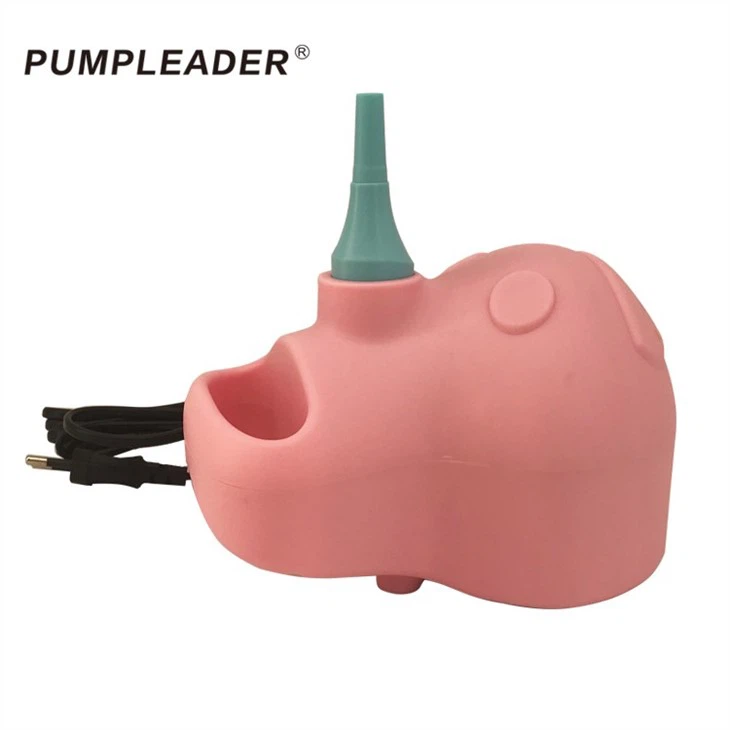
Before we discuss the noise aspect, it's essential to understand how automatic balloon pumps work. An Automatic Balloon Pump is a device designed to inflate balloons quickly and efficiently. Most of these pumps are electrically powered and use a motor to draw in air and force it into the balloons. The motor is the primary source of noise in these pumps, and its operation is similar to that of other small electrical appliances.
The basic components of an automatic balloon pump include the motor, a fan or impeller, and a nozzle through which the air is expelled into the balloon. When the pump is turned on, the motor rotates the fan or impeller, creating a flow of air. This air is then directed through the nozzle and into the balloon, causing it to inflate. The process is relatively simple, but the operation of the motor and the movement of air can generate noise.
Factors Affecting the Noise Level
Several factors can influence the noise level of an automatic balloon pump. Understanding these factors can help you choose a pump that meets your noise requirements.
Motor Type and Quality
The type and quality of the motor used in the pump play a significant role in determining its noise level. High-quality motors are often designed to operate more quietly than lower-quality ones. For example, some pumps use brushless motors, which tend to be quieter and more efficient than traditional brushed motors. Brushless motors have fewer moving parts and produce less friction, resulting in less noise.
Airflow Design
The design of the airflow system in the pump can also affect the noise level. A well-designed pump will have a smooth and efficient airflow path, which reduces turbulence and noise. Pumps with poorly designed airflow systems may create more noise as the air is forced through narrow or irregular channels.

Build Quality
The overall build quality of the pump can impact its noise level. A pump that is made with high-quality materials and has a sturdy construction is likely to be quieter than one that is poorly made. Loose or vibrating parts can contribute to additional noise, so a well-built pump with tight tolerances and secure fittings will generally operate more quietly.
Nozzle Design
The design of the nozzle can also have an effect on the noise level. A nozzle that is too small or has a rough interior surface can cause the air to flow unevenly, creating noise. On the other hand, a well-designed nozzle with a smooth interior and an appropriate diameter can help to reduce noise by allowing the air to flow more smoothly into the balloon.
Comparing Noise Levels of Different Types of Balloon Pumps
There are several types of balloon pumps available on the market, each with its own noise characteristics. Let's take a look at some of the most common types and how they compare in terms of noise.
Single Nozzle Balloon Pump
Single nozzle balloon pumps are the most basic type of automatic balloon pump. They typically have a single nozzle through which the air is expelled into the balloon. These pumps are generally smaller and less powerful than multi-nozzle pumps, and as a result, they tend to be quieter. However, the noise level can still vary depending on the factors mentioned above.
Multi-Nozzle Balloon Pump
Multi-nozzle balloon pumps are designed to inflate multiple balloons simultaneously. They have two or more nozzles, which allows for faster inflation. These pumps are usually more powerful than single nozzle pumps, and as a result, they may produce more noise. However, some multi-nozzle pumps are designed with noise-reducing features, such as high-quality motors and efficient airflow systems, to minimize the noise level.
Electric Air Inflator for Balloons
Electric air inflators for balloons are similar to automatic balloon pumps, but they are often more versatile and can be used to inflate other items, such as air mattresses, pool toys, and inflatable decorations. These inflators typically have a higher airflow rate and may produce more noise than dedicated balloon pumps. However, like other types of pumps, the noise level can vary depending on the quality of the motor and the design of the airflow system.
Measuring the Noise Level
The noise level of an automatic balloon pump is typically measured in decibels (dB). A decibel is a unit of measurement used to express the intensity of sound. The higher the decibel level, the louder the sound.
Most automatic balloon pumps have a noise level ranging from 50 to 70 dB. To put this into perspective, a normal conversation typically has a noise level of around 60 dB, while a vacuum cleaner can produce a noise level of up to 80 dB. So, while automatic balloon pumps can be noisy, they are generally not as loud as some other common household appliances.
It's important to note that the noise level can vary depending on the specific model of the pump and the operating conditions. For example, a pump that is operating at full capacity may produce more noise than one that is operating at a lower speed. Additionally, the noise level may be affected by the environment in which the pump is being used. A pump that is placed on a hard surface may produce more noise than one that is placed on a soft, cushioned surface.
Tips for Reducing Noise
If noise is a concern for you, there are several steps you can take to reduce the noise level of an automatic balloon pump.
Choose a Quiet Pump
As mentioned earlier, choosing a pump with a high-quality motor and a well-designed airflow system can help to reduce noise. Look for pumps that are specifically designed to be quiet, and read customer reviews to get an idea of the noise level of different models.
Place the Pump on a Soft Surface
Placing the pump on a soft, cushioned surface can help to absorb some of the vibrations and reduce the noise level. You can use a rubber mat, a towel, or a piece of foam to create a soft surface for the pump.
Use the Pump in a Well-Ventilated Area
Using the pump in a well-ventilated area can help to reduce the noise level by allowing the air to flow more freely. Avoid using the pump in a small, enclosed space, as this can cause the noise to bounce off the walls and become louder.
Turn Down the Speed
If your pump has a variable speed setting, you can try turning down the speed to reduce the noise level. Operating the pump at a lower speed may take longer to inflate the balloons, but it can significantly reduce the noise.
Conclusion
In conclusion, automatic balloon pumps can be noisy, but the noise level can vary depending on several factors, including the type and quality of the motor, the design of the airflow system, and the build quality of the pump. By understanding these factors and taking steps to reduce noise, you can choose a pump that meets your needs and minimizes the impact of noise on your environment.
If you're in the market for an automatic balloon pump and have any questions about noise levels or other features, please don't hesitate to contact us. We're a leading supplier of Automatic Balloon Pump and can provide you with expert advice and guidance to help you make the right choice. Whether you're planning a party, an event, or just need to inflate balloons for fun, we have the perfect pump for you. Contact us today to discuss your requirements and start your procurement process.
References
- "Noise Measurement Basics." National Institute for Occupational Safety and Health.
- "How to Choose a Quiet Balloon Pump." Balloon Decorating Magazine.