

Balloon pumps are essential tools for various events, from birthday parties to large-scale corporate functions. As a trusted balloon pump supplier, I understand the importance of maintaining these devices to ensure they function at their best. In this blog, I'll guide you through the process of replacing parts of a balloon pump, sharing insights based on my experience in the industry.
Understanding Your Balloon Pump
Before you start replacing parts, it's crucial to have a good understanding of the different types of balloon pumps available. We offer a wide range of pumps, including the Rechargeable Mini Air Pump, which is perfect for small-scale events and on-the-go use. The Air Pump is a classic choice, known for its reliability and efficiency. And for those who need a more versatile option, the Multifunctional Balloon Pump can handle different balloon sizes and types.
Each type of pump has its own unique components, but most balloon pumps share some common parts. These include the motor, the air tube, the nozzle, and the power cord. The motor is the heart of the pump, responsible for generating the air pressure needed to inflate the balloons. The air tube connects the motor to the nozzle, allowing the air to flow from the pump to the balloon. The nozzle is the part that you attach to the balloon, and the power cord provides the electricity needed to run the pump.
Identifying the Problem
The first step in replacing parts of a balloon pump is to identify the problem. If the pump isn't working at all, it could be due to a faulty motor, a broken power cord, or a clogged air tube. If the pump is making strange noises, it could be a sign of a loose or damaged component. And if the pump isn't inflating the balloons properly, it could be due to a worn-out nozzle or a problem with the air pressure.

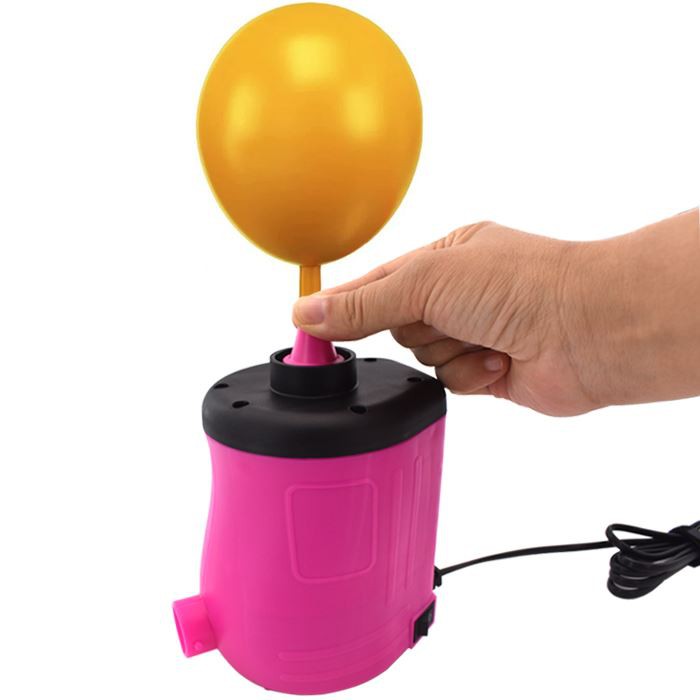
To identify the problem, start by checking the power cord. Make sure it's plugged in properly and that there are no visible signs of damage. If the power cord is okay, then check the air tube. Look for any kinks or blockages that could be preventing the air from flowing freely. You can also try blowing into the air tube to see if there's any resistance.
If the power cord and the air tube are okay, then it's time to check the motor. Listen for any strange noises or vibrations coming from the motor. If you suspect that the motor is faulty, it's best to have it checked by a professional.
Replacing the Parts
Once you've identified the problem, it's time to replace the parts. Before you start, make sure you have the right tools for the job. You'll need a screwdriver, pliers, and possibly a pair of wire cutters. You'll also need to have the replacement parts on hand. You can purchase these parts from our website or from a local hardware store.
Replacing the Power Cord
If the power cord is damaged, you'll need to replace it. Start by unplugging the pump from the power source. Then, use a screwdriver to remove the screws that hold the pump's housing in place. Once the housing is removed, you'll be able to see the power cord. Use the wire cutters to cut the old power cord from the motor. Make sure you note which wires are connected to which terminals on the motor.
Next, take the new power cord and strip the ends of the wires. Connect the wires to the terminals on the motor, making sure to match the colors of the wires. Once the wires are connected, use the screwdriver to replace the screws that hold the pump's housing in place. Plug the pump back into the power source and test it to make sure it's working properly.
Replacing the Air Tube
If the air tube is clogged or damaged, you'll need to replace it. Start by unplugging the pump from the power source. Then, remove the nozzle from the end of the air tube. Use the pliers to grip the air tube and pull it out of the pump.
Next, take the new air tube and insert it into the pump. Make sure it's inserted all the way and that there are no kinks or bends in the tube. Reattach the nozzle to the end of the air tube. Plug the pump back into the power source and test it to make sure it's working properly.
Replacing the Nozzle
If the nozzle is worn out or damaged, you'll need to replace it. Start by unplugging the pump from the power source. Then, remove the old nozzle from the end of the air tube. Take the new nozzle and insert it into the end of the air tube. Make sure it's inserted all the way and that it's secure.
Plug the pump back into the power source and test it to make sure it's working properly. You can also try inflating a few balloons to see if the new nozzle is working as it should.
Replacing the Motor
If the motor is faulty, it's best to have it replaced by a professional. However, if you're comfortable working with electrical components, you can try replacing the motor yourself. Start by unplugging the pump from the power source. Then, use a screwdriver to remove the screws that hold the pump's housing in place.
Once the housing is removed, you'll be able to see the motor. Use the wire cutters to cut the wires that connect the motor to the power cord and the air tube. Make sure you note which wires are connected to which terminals on the motor.
Next, take the new motor and connect the wires to the terminals on the motor, making sure to match the colors of the wires. Once the wires are connected, use the screwdriver to replace the screws that hold the pump's housing in place. Plug the pump back into the power source and test it to make sure it's working properly.
Maintenance Tips
To keep your balloon pump in good working condition, it's important to perform regular maintenance. This includes cleaning the pump after each use, checking the air tube for blockages, and lubricating the moving parts. You should also store the pump in a dry, cool place when it's not in use.
Cleaning the pump is easy. Simply wipe it down with a damp cloth to remove any dirt or debris. You can also use a mild detergent to clean the pump, but make sure you rinse it thoroughly afterwards.
Checking the air tube for blockages is also important. You can do this by blowing into the air tube to see if there's any resistance. If there is, then you'll need to remove the blockage. You can use a thin wire or a pipe cleaner to clear the blockage.
Lubricating the moving parts of the pump can help to extend its lifespan. You can use a light oil or a silicone lubricant to lubricate the motor and the other moving parts. Make sure you follow the manufacturer's instructions when lubricating the pump.
Conclusion
Replacing parts of a balloon pump may seem like a daunting task, but with the right tools and a little bit of knowledge, it's actually quite simple. By following the steps outlined in this blog, you'll be able to identify the problem, replace the parts, and get your balloon pump back up and running in no time.
If you have any questions or need further assistance, please don't hesitate to contact us. We're here to help you with all your balloon pump needs. Whether you're looking for replacement parts, maintenance tips, or just some advice on which pump is right for you, we're happy to assist.
As a leading balloon pump supplier, we're committed to providing our customers with high-quality products and excellent customer service. If you're interested in purchasing a new balloon pump or replacement parts, please visit our website or contact us for more information. We look forward to helping you with your next event!
References
- "Balloon Pump Maintenance Guide." DIY Party Supplies Magazine.
- "How to Troubleshoot a Balloon Pump." Event Planning 101.
- "Replacing Parts of Your Balloon Pump." Home Improvement Today.