

Hey there! As a supplier of balloon pumps, I've seen my fair share of balloon - bursting mishaps. It's a bummer when you're trying to inflate a bunch of balloons for a party or an event, and one by one, they start popping. But don't worry; I've got some tips on how to prevent that from happening when using a pump.
First things first, let's talk about the type of pump you're using. If you're in the market for a great balloon pump, we've got some top - notch options. Check out our Multifunctional Balloon Pump. It's a real game - changer. This pump is designed to give you more control over the inflation process, which is super important when it comes to avoiding balloon explosions.
Another great option is our Rechargeable Mini Air Pump. It's small, portable, and very easy to use. You can take it anywhere, whether you're setting up a party at home or at an outdoor venue.
Now, let's get into the nitty - gritty of preventing balloon bursts. One of the most common mistakes people make is inflating the balloon too quickly. When you're using a pump, especially a powerful one like our Air Pump, it can be tempting to just go full - throttle and get the balloon inflated as fast as possible. But that's a recipe for disaster.
The air inside the balloon creates pressure. When you inflate it too quickly, the pressure builds up faster than the balloon can handle. The balloon material can't stretch that rapidly, and it pops. So, start with a slow, steady stream of air. If you're using an electric pump, set it to a lower speed if possible. If it's a manual pump, take your time with each stroke. This will allow the balloon to stretch gradually and evenly, reducing the risk of bursting.
The quality of the balloons also plays a huge role. Not all balloons are created equal. Cheaper balloons are often made from thinner materials that are more prone to bursting. When you're planning an event, invest in high - quality balloons. They might cost a bit more, but they'll save you a lot of frustration in the long run. Look for balloons that are thick and have a good elasticity. These balloons can withstand more pressure without popping.
Before you start inflating, give the balloon a good stretch. Gently tug on all sides of the balloon to loosen up the material. This makes it more flexible and better able to expand when you start pumping air into it. It's like warming up your muscles before a workout; the balloon will be more prepared for the inflation process.
The temperature is another factor that can affect balloon inflation. Balloons are more likely to burst in hot weather. The heat causes the air inside the balloon to expand, increasing the pressure. If you're inflating balloons outdoors on a hot day, try to do it in the shade. You can also keep the balloons in a cooler place until you're ready to use them. On the other hand, in cold weather, the balloon material becomes more brittle. So, if you're in a cold environment, bring the balloons indoors for a little while before inflating them to warm them up a bit.
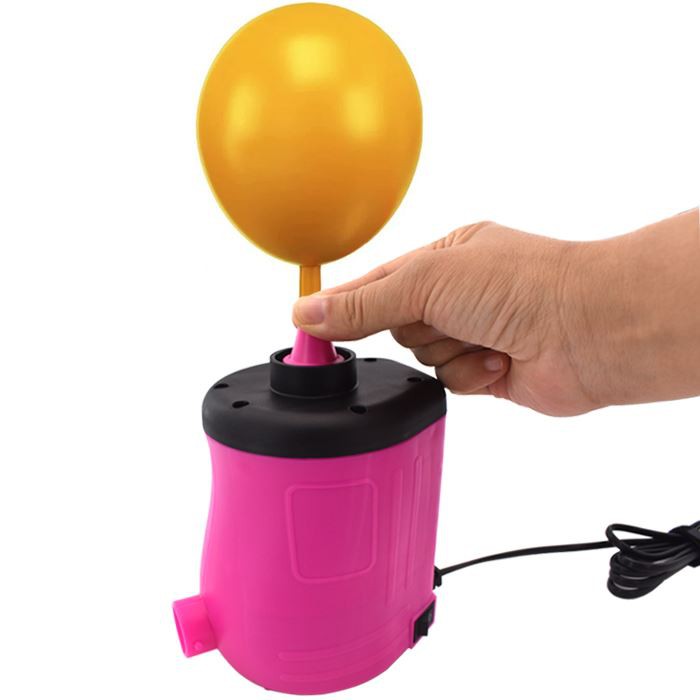

When you're attaching the balloon to the pump, make sure it's done properly. A loose connection can cause air to leak out unevenly or can create too much stress on one part of the balloon. If you're using a pump with a nozzle, insert it gently into the balloon opening and make sure it's a snug fit. Don't force it in, as this can damage the balloon.
Keep an eye on the size of the balloon as you're inflating it. Each balloon has a recommended maximum size. Over - inflating is a major cause of balloon bursts. You can use a balloon sizing guide or a simple measuring tape to keep track. Once the balloon reaches its recommended size, stop pumping. It might be a bit deflating (pun intended) to have slightly smaller balloons, but it's better than having them pop all over the place.
Also, be aware of any sharp objects around. Even a small scratch or nick on the balloon can weaken the material and cause it to burst easily. Make sure your work area is clear of things like scissors, pins, or rough edges. If you're using the balloons for a decoration, be careful when handling them and attaching them to strings or hooks.
If you're inflating a large number of balloons, take breaks. Your hand might get tired if you're using a manual pump, and your pump might overheat if it's an electric one. Overheating can affect the performance of the pump and also increase the risk of balloon bursts. Let the pump cool down for a few minutes every now and then, and give your hands a rest too.
And last but not least, practice makes perfect. The more you inflate balloons, the better you'll get at it. You'll start to develop a feel for how much air to put in and how fast to do it. Don't be discouraged if you have a few balloons burst at first. Just learn from your mistakes and keep trying.
So, there you have it! These are some of the best ways to prevent balloons from bursting when using a pump. If you're interested in getting your hands on a great balloon pump, we're here to help. Our pumps are designed with quality and ease of use in mind, and they'll definitely make your balloon - inflating experience a whole lot smoother. If you've got any questions or want to discuss your purchasing needs, just reach out to us, and we'll be happy to have a chat and work out the best deal for you.
References
- General knowledge on balloon physics and balloon inflation techniques.
- Experience from balloon pump supply and customer feedback over the years.