

As a supplier of wireless air pumps, I often get asked whether a wireless air pump can be used for motorcycle tires. This is a crucial question for motorcycle enthusiasts, as maintaining the right tire pressure is essential for safety, performance, and the longevity of the tires. In this blog post, I'll delve into the details of using wireless air pumps for motorcycle tires, comparing them with other types of air pumps and highlighting their advantages and limitations.
Understanding the Requirements of Motorcycle Tires
Before we discuss the suitability of wireless air pumps, it's important to understand the specific requirements of motorcycle tires. Motorcycle tires typically require a higher air pressure compared to car tires. The recommended pressure for motorcycle tires usually ranges from 28 to 40 psi (pounds per square inch), depending on the motorcycle model, tire type, and riding conditions.
Maintaining the correct tire pressure is vital for several reasons. First, it ensures optimal traction, which is crucial for safe handling and braking. Under - inflated tires can lead to increased rolling resistance, which reduces fuel efficiency and can cause the tires to overheat, increasing the risk of a blowout. On the other hand, over - inflated tires can result in a harsh ride and reduced contact area with the road, compromising traction and handling.
The Functionality of Wireless Air Pumps
Wireless air pumps, such as the Wireless Air Inflator Deflator, are designed to be portable and convenient. They are powered by rechargeable batteries, eliminating the need for a direct power source like an electrical outlet or a car's 12V socket. This makes them ideal for on - the - go use, whether you're on a long motorcycle trip or just need to top up the tire pressure at a remote location.
Most wireless air pumps come with a digital pressure gauge, allowing you to set the desired pressure accurately. Once the set pressure is reached, the pump automatically stops, preventing over - inflation. They also often have a deflation function, which can be useful for adjusting the tire pressure according to different riding conditions.
Advantages of Using a Wireless Air Pump for Motorcycle Tires
Portability
One of the biggest advantages of a wireless air pump is its portability. You can easily carry it in your motorcycle's storage compartment or attach it to your bike using a mounting bracket. This means you can check and adjust your tire pressure wherever you are, without having to rely on gas stations or other external air sources.
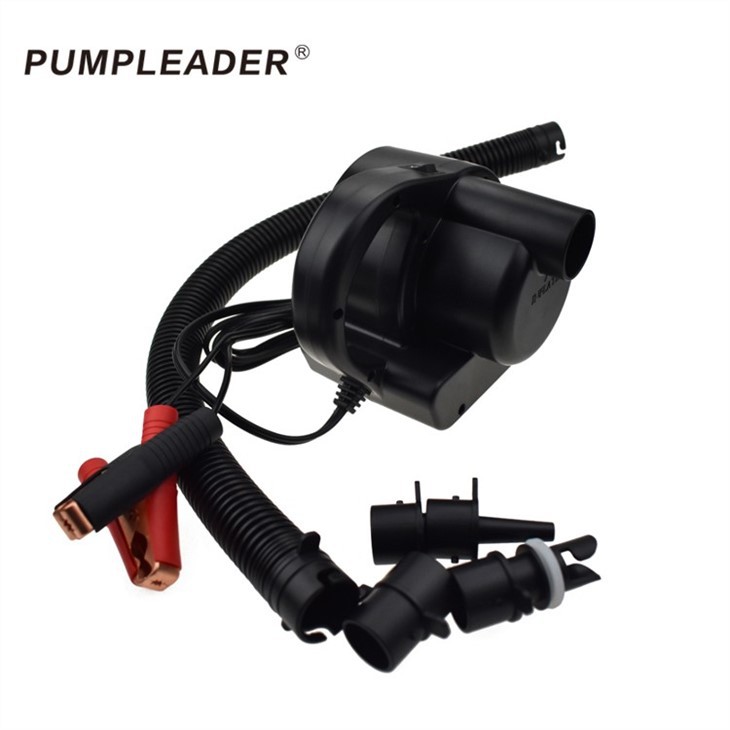

Ease of Use
Wireless air pumps are generally easy to operate. They usually come with a simple interface, and the digital pressure gauge makes it straightforward to set the correct pressure. You don't need any special tools or skills to use them, which is great for novice riders.
Versatility
In addition to motorcycle tires, wireless air pumps can be used to inflate other items such as bicycle tires, sports balls, inflatable toys, and even camping equipment. This makes them a versatile tool to have in your toolkit.
Limitations of Wireless Air Pumps
Power and Inflation Speed
Compared to larger, more powerful pumps like 12V Air Inflators or 120V Electric Pumps, wireless air pumps may have limited power. This can result in slower inflation times, especially when inflating a completely flat tire or when dealing with high - pressure requirements.
Battery Life
The battery life of a wireless air pump is another factor to consider. If the battery runs out during inflation, you'll have to wait for it to recharge before you can continue. This can be a problem if you're in a hurry or in a situation where you need to inflate your tires quickly.
Comparing Wireless Air Pumps with Other Types of Air Pumps
12V Air Inflators
12V air inflators are powered by a car's 12V socket. They are more powerful than wireless air pumps and can inflate tires faster. However, they are less portable as they require a vehicle's power source. This means you can't use them in remote locations where there is no car available.
120V Electric Pumps
120V electric pumps are the most powerful option. They are designed for use at home or in a workshop, where a standard electrical outlet is available. They can inflate tires very quickly and are suitable for heavy - duty use. However, they are the least portable, as they are tethered to an electrical outlet.
Tips for Using a Wireless Air Pump on Motorcycle Tires
- Check the Battery: Before you set out on a ride, make sure your wireless air pump's battery is fully charged. This will ensure that you have enough power to inflate your tires if needed.
- Read the Manual: Different wireless air pumps may have slightly different operating procedures. Read the user manual carefully to understand how to use the pump correctly and how to set the desired pressure.
- Inspect the Tires: Before inflating the tires, visually inspect them for any signs of damage, such as cuts, bulges, or excessive wear. If you notice any problems, it's best to have the tires checked by a professional.
- Inflate in a Cool Environment: Tire pressure can increase when the tires are hot. It's best to check and inflate the tires when they are cold, preferably in the morning or after the motorcycle has been parked for a few hours.
Conclusion
So, can you use a wireless air pump for motorcycle tires? The answer is yes. Wireless air pumps offer a convenient and portable solution for maintaining the correct tire pressure on your motorcycle. While they may have some limitations in terms of power and battery life compared to other types of air pumps, their advantages in terms of portability and ease of use make them a great choice for many motorcycle riders.
If you're in the market for a reliable wireless air pump for your motorcycle, I encourage you to explore our range of products. We are committed to providing high - quality, efficient, and user - friendly air pumps. If you have any questions or are interested in purchasing our products, please feel free to reach out to us for a procurement discussion. We look forward to helping you keep your motorcycle tires in top condition.
References
- Motorcycle Tire Pressure Guide, Motorcycle Industry Council.
- The Importance of Proper Tire Inflation, National Highway Traffic Safety Administration.