

Are there any safety precautions when using a balloon pump? You bet there are! As a supplier of all sorts of balloon pumps, I've seen it all, and I'm here to share some essential safety tips with you.
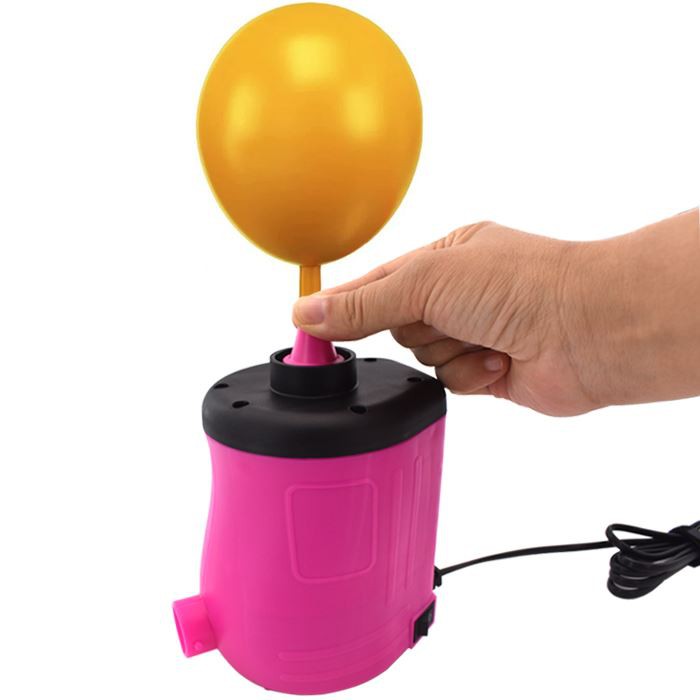
First off, let's talk about the types of balloon pumps we offer. We have the Rechargeable Mini Air Pump, which is super convenient for small - scale balloon inflating jobs. It's portable, and you can take it anywhere you need to decorate with balloons. Then there's the Multifunctional Balloon Pump, which can handle different sizes of balloons and has multiple functions to make your balloon - filling task a breeze. And of course, our classic Air Pump, a reliable workhorse for inflating balloons quickly.
Electrical Safety
If you're using an electric balloon pump, the first thing to keep in mind is electrical safety. Make sure to plug the pump into a grounded outlet. This helps prevent electrical shocks. You don't want to end up getting zapped while trying to inflate some balloons for a party, right?
Check the power cord regularly for any signs of damage, like frayed wires or exposed insulation. If you notice any issues, don't use the pump. It's not worth the risk. Instead, get a new cord or have the pump repaired by a professional.
Also, avoid using the pump in wet or damp areas. Water and electricity don't mix well, and you could be in serious trouble if there's a short - circuit. Keep the pump dry at all times, and if it does get wet, unplug it immediately and let it dry completely before using it again.

Overheating
Balloon pumps can get hot after continuous use. That's normal, but you need to be careful not to let them overheat. Most of our pumps have built - in thermal protection, which shuts the pump off if it gets too hot. But it's still a good idea to give the pump a break every now and then, especially if you're inflating a large number of balloons.
If you feel that the pump is getting extremely hot to the touch, stop using it right away. Let it cool down for at least 15 - 20 minutes before you start using it again. Overheating can not only damage the pump but also pose a fire hazard. So, it's better to be safe than sorry.
Balloon Selection
Not all balloons are created equal, and using the wrong type of balloon with your pump can be dangerous. Make sure to use balloons that are compatible with the pump's airflow and pressure. Some balloons are designed for manual inflation and may burst if you try to inflate them with a powerful pump.
Read the balloon manufacturer's instructions before using them with the pump. They usually specify the maximum inflation pressure and whether they can be used with a pump. Using the right balloons will not only ensure your safety but also make the inflation process much smoother.
Handling the Pump
When handling the balloon pump, always hold it firmly. Unstable handling can cause the pump to fall or tip over, which could lead to damage to the pump or injury to you. If you're using a handheld pump, make sure your grip is secure.
Don't try to force the balloon onto the pump nozzle. If the balloon doesn't fit easily, it might not be the right size or type for the pump. Forcing it can cause the balloon to burst suddenly, and the pieces could fly into your eyes or cause other injuries.
Storage
Proper storage of the balloon pump is also important for safety. When you're done using the pump, unplug it and let it cool down. Then, store it in a dry and cool place. Keep it away from sharp objects that could damage the pump or the power cord.
If you're storing the pump for a long time, make sure to clean it first. Remove any dust or debris that may have accumulated on the pump. This will help keep the pump in good working condition and prevent any potential safety issues in the future.
Noise Level
Some balloon pumps can be quite noisy, especially the more powerful ones. If you're using the pump for an extended period, it's a good idea to wear ear protection. Prolonged exposure to loud noise can damage your hearing. You can use earplugs or earmuffs to reduce the noise level and protect your ears.
Pressure Control
Understanding the pressure capabilities of your balloon pump is crucial. Each pump has a specific pressure range at which it operates safely. Don't try to exceed this range by forcing more air into the balloons. If you do, it can cause the pump to malfunction or the balloons to burst unexpectedly.
Most of our pumps have pressure gauges or indicators that show you the current pressure. Keep an eye on these while inflating the balloons. If the pressure seems too high or too low, adjust the inflation speed accordingly.
Maintenance
Regular maintenance of the balloon pump is essential for safety. Clean the pump's filters regularly. A clogged filter can reduce the pump's efficiency and cause it to overheat. You can usually remove the filter and wash it with mild soap and water. Let it dry completely before putting it back in the pump.
Lubricate any moving parts of the pump as recommended by the manufacturer. This helps keep the pump running smoothly and reduces the risk of mechanical failures.
Conclusion
Using a balloon pump can be a fun and easy way to inflate balloons for all sorts of events. But it's important to follow these safety precautions to avoid any accidents or injuries. Whether you're using our Rechargeable Mini Air Pump, Multifunctional Balloon Pump, or Air Pump, make sure to prioritize safety.
If you're in the market for a high - quality balloon pump, we've got you covered. Our pumps are designed with safety and efficiency in mind. If you have any questions about our products or need more information on safety precautions, feel free to reach out to us for a procurement discussion. We're always happy to help you find the right balloon pump for your needs.
References
- General knowledge about balloon pump safety from years of experience as a balloon pump supplier.
- Manufacturer's instructions and guidelines for the balloon pumps.