

Are external batteries safe to use? This is a question that many consumers often ask, especially in an era where portable electronic devices have become an indispensable part of our daily lives. As a supplier of external batteries, I'd like to share some insights on this topic.
Understanding the Basics of External Batteries
External batteries, also known as power banks, are portable energy storage devices that can charge electronic devices such as smartphones, tablets, and laptops on the go. They typically consist of a battery cell, a circuit board for controlling charging and discharging, and a housing to protect the internal components.
The safety of external batteries largely depends on their design, manufacturing process, and the quality of the materials used. High - quality external batteries are engineered with multiple safety features to prevent potential hazards. For example, over - charge protection is a crucial feature. When the connected device is fully charged, the external battery automatically stops supplying power, preventing damage to the device's battery and reducing the risk of overheating or even explosion.
Over - discharge protection is another important safety mechanism. It ensures that the external battery itself does not discharge below a safe level, which can extend the lifespan of the battery and prevent it from becoming unstable. Short - circuit protection is also essential. In case of a short - circuit in the charging cable or the connected device, the circuit board in the external battery will immediately cut off the power supply, minimizing the risk of fire or electrical shock.
Factors Affecting the Safety of External Batteries
Battery Chemistry
The type of battery chemistry used in an external battery plays a significant role in its safety. Lithium - ion (Li - ion) and lithium - polymer (Li - Po) batteries are the most commonly used in external batteries due to their high energy density, long cycle life, and relatively low self - discharge rate. However, they are also more sensitive to over - charging, over - discharging, and high temperatures compared to other battery chemistries.
If a Li - ion or Li - Po battery is over - charged, it can cause the formation of lithium metal dendrites, which can penetrate the separator between the battery's electrodes and cause a short - circuit. High temperatures can also accelerate the chemical reactions inside the battery, increasing the risk of thermal runaway, a phenomenon where the battery's temperature rises uncontrollably, leading to fire or explosion.
Manufacturing Quality
The manufacturing process of external batteries is crucial for their safety. Poorly manufactured external batteries may have loose connections, faulty circuit boards, or substandard battery cells. These issues can lead to short - circuits, over - heating, and other safety problems. Reputable manufacturers follow strict quality control procedures to ensure that their products meet international safety standards. They conduct rigorous testing on each batch of external batteries, including tests for electrical performance, temperature resistance, and mechanical stability.
Usage and Storage Conditions
How users use and store external batteries also affects their safety. Using an external battery with a charger that has an incorrect voltage or current rating can damage the battery and increase the risk of safety hazards. For example, using a charger with a higher voltage than the external battery is designed for can cause over - charging, while using a charger with a lower current may result in slow charging or incomplete charging.
Storing external batteries in extreme temperatures can also be dangerous. High temperatures can cause the battery to expand, leak, or even catch fire, while low temperatures can reduce the battery's capacity and performance. It is recommended to store external batteries in a cool, dry place with a temperature range between 20°C and 25°C.
Safety Precautions for Consumers
Choose Reputable Brands
When purchasing an external battery, consumers should choose products from well - known and reputable brands. These brands usually have a good track record of quality and safety, and their products are more likely to meet international safety standards. They also provide better after - sales service and support in case of any problems with the product.
Check for Safety Certifications
Consumers should look for external batteries that have been certified by recognized safety organizations such as UL (Underwriters Laboratories), CE (Conformité Européene), and FCC (Federal Communications Commission). These certifications indicate that the product has passed rigorous testing for electrical safety, electromagnetic compatibility, and other performance criteria.
Follow the Manufacturer's Instructions
Consumers should carefully read and follow the manufacturer's instructions for using and storing the external battery. This includes using the recommended charger, avoiding over - charging and over - discharging, and not exposing the battery to extreme temperatures.
Our Company's Commitment to Safety
As an external battery supplier, we are committed to providing our customers with safe and reliable products. We source high - quality battery cells from trusted suppliers and use advanced manufacturing processes to ensure the quality and safety of our external batteries.
Our products are designed with multiple safety features, including over - charge protection, over - discharge protection, short - circuit protection, and over - temperature protection. Before leaving the factory, each external battery undergoes a series of strict tests to ensure that it meets our high - quality standards.
In addition to our standard external batteries, we also offer a range of specialized products for different applications. For example, our External Battery SUPply is designed specifically for water sports enthusiasts, with a waterproof and shock - resistant design to ensure its safety and reliability in harsh environments.

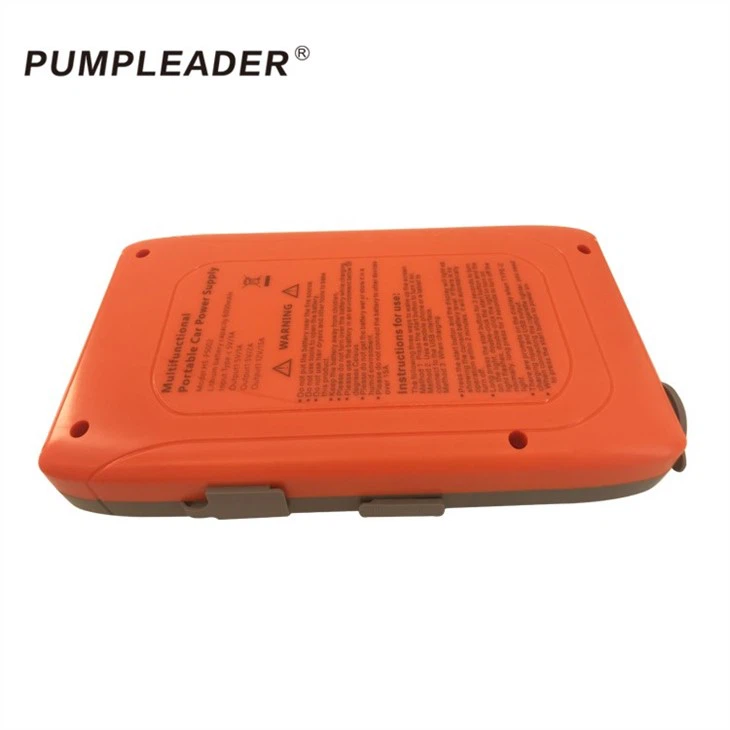
We also provide 6v Dc Air Pump and Cordless Air Mattress Pump that can be powered by our external batteries. These products are designed to work seamlessly with our external batteries, providing a convenient and safe solution for camping, outdoor activities, and other situations where a reliable power source is needed.
Conclusion
In conclusion, external batteries can be safe to use if they are designed, manufactured, and used correctly. By understanding the factors that affect the safety of external batteries and following the appropriate safety precautions, consumers can enjoy the convenience of portable charging without having to worry about potential safety hazards.
As a supplier, we are dedicated to providing our customers with high - quality and safe external battery products. If you are interested in our products or have any questions about external battery safety, please feel free to contact us for procurement discussions. We look forward to serving you and meeting your power - charging needs.
References
- "Lithium - Ion Batteries: Science and Technologies" by Y. Wang and J. Zhang.
- Safety standards documents from UL, CE, and FCC.
- Industry reports on portable power banks and battery safety.